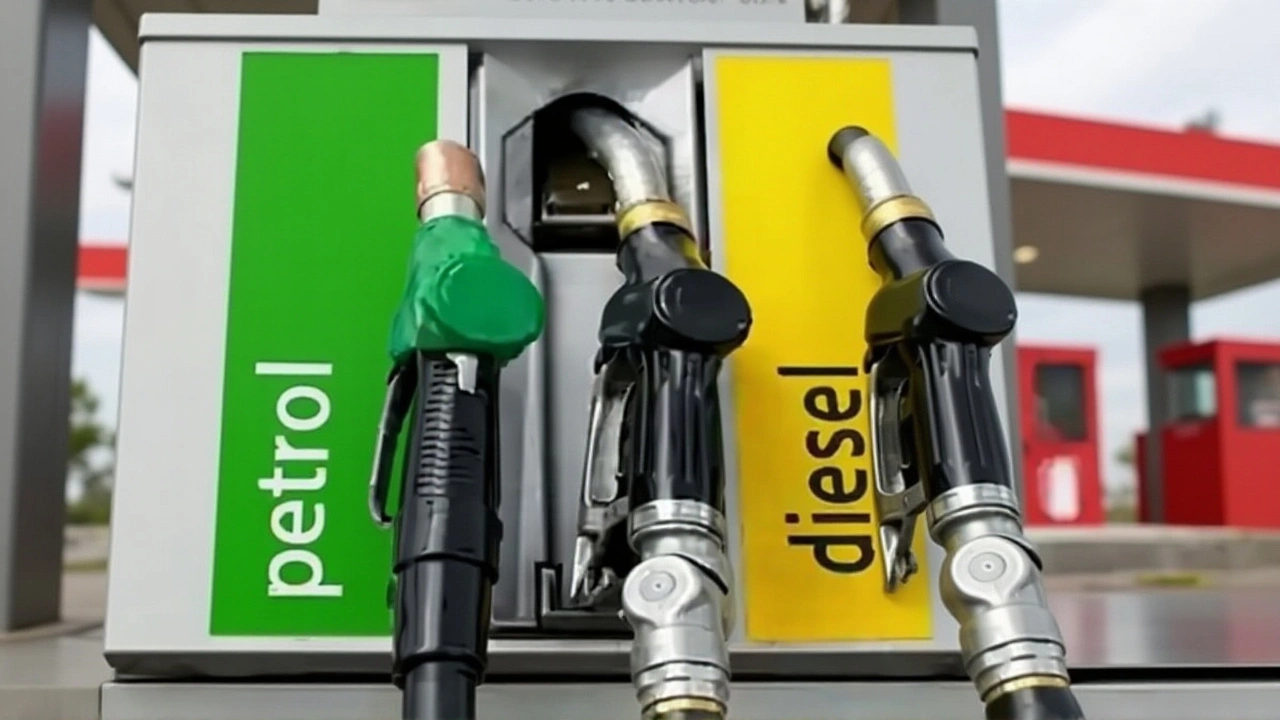
When Saurabh Mishra, a reporter for ABP Ganga, stood at a fuel pump in Prayagraj earlier this week, the digital display told a worrying story. The price of petrol had jumped to ₹97.48 per litre—a sharp ₹3 increase from the previous day’s rate of ₹94.48. It wasn’t just a local blip; it was a direct signal that global tensions are reaching into Indian wallets.
The hike, which took effect at 6 am daily as per standard industry practice, has sent ripples of anxiety through the city. While the exact diesel figure wasn’t highlighted in the initial clip, reports indicate a similar ₹3 surge for diesel. For commuters relying on private vehicles or public transport, this isn't just a number on a screen—it's an immediate hit to their monthly budget.
The Global Trigger: Middle East Tensions
Here’s the thing: this price jump didn’t happen in a vacuum. The report explicitly links the spike to escalating conflicts in the Middle East crisis. Geopolitical instability in oil-rich regions invariably causes crude oil prices to fluctuate wildly on international markets. India, being one of the world’s largest importers of crude, feels these shocks almost instantly.
Analysts point out that when supply chains face uncertainty—whether due to potential war threats involving nations like Iran or shifting political stances by global leaders such as Donald Trump—refineries adjust their pricing strategies preemptively. The result? A domino effect that travels from global trading floors to local petrol pumps in Uttar Pradesh within days.
Ripple Effects on Daily Life
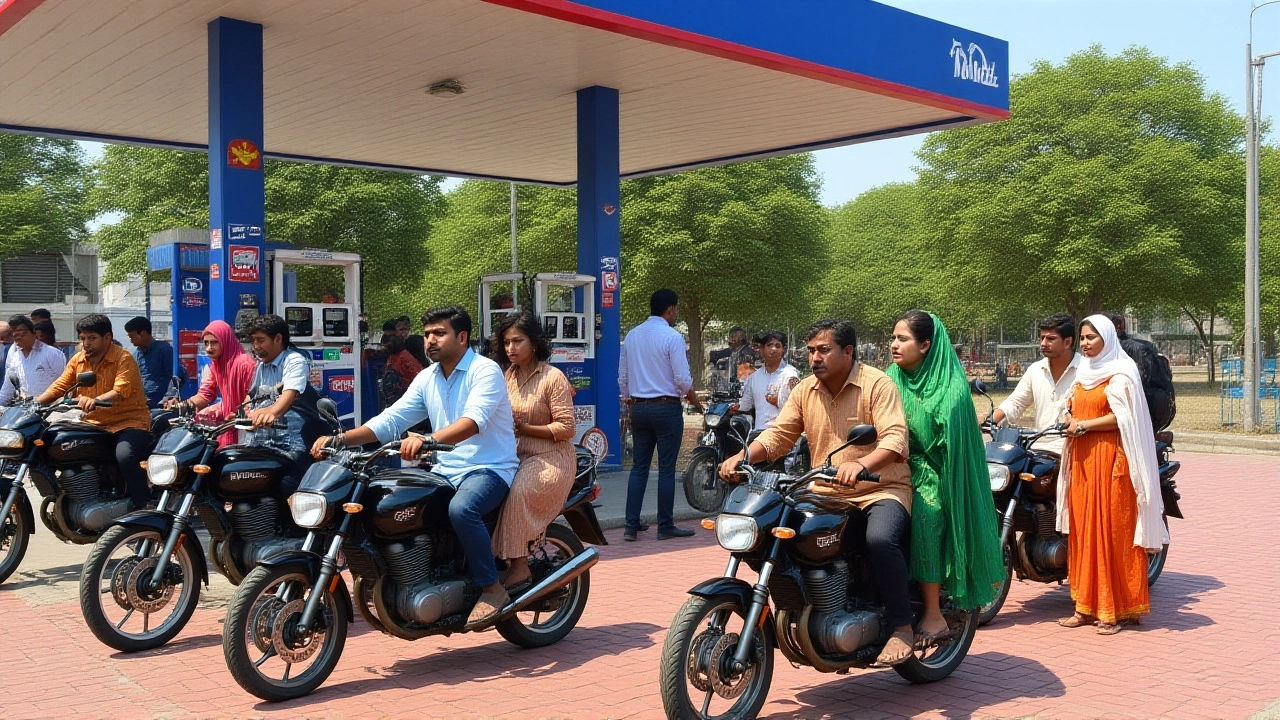
The impact goes beyond filling up your car tank. Transportation costs form the backbone of India’s logistics network. When diesel and petrol prices rise, truck operators pass those costs onto manufacturers, who then raise prices for consumer goods. You might notice higher rates for bus tickets, auto-rickshaw fares, and even groceries.
"It’s a cumulative stress," notes a local business owner in Prayagraj. "Every rupee added to fuel costs eats into our margins. We either absorb it and lose profit, or pass it on and risk losing customers." This delicate balance is what makes every ₹3 hike significant for the common citizen.
A Pattern of Volatility
This isn’t an isolated incident. Data from various financial trackers shows a pattern of instability throughout 2025 and early 2026. For instance, records from BankBazaar indicate that petrol prices in Prayagraj touched ₹101.86 in late May 2026, reflecting a broader trend of upward pressure. Similarly, data from India Today showed fluctuations ranging from ₹99.13 to over ₹102 in nearby Allahabad (Prayagraj) during the same period.
While some sources cite minor daily changes of ₹0.50–₹1.00, sudden jumps like the recent ₹3 increase stand out. They suggest that underlying market forces are intensifying rather than stabilizing. Experts warn that without a resolution to geopolitical tensions, consumers should brace for continued volatility.
What Comes Next?
The immediate future depends heavily on diplomatic developments in the Middle East. If tensions de-escalate, crude prices may stabilize, offering temporary relief. However, if conflicts deepen, we could see further hikes. Indian Oil Corporation Limited continues to update prices daily based on international benchmarks, meaning tomorrow’s rate could differ significantly from today’s.
For now, residents of Prayagraj and across Uttar Pradesh are watching closely. The message from the pump is clear: global politics have a very local price tag.
Frequently Asked Questions
Why did petrol prices spike suddenly in Prayagraj?
The sudden ₹3 per litre increase is directly linked to rising crude oil costs driven by geopolitical tensions in the Middle East. As global supply risks increase, international oil prices rise, forcing Indian refiners to adjust retail rates accordingly.
How does this affect daily commuting costs?
Higher fuel prices increase operational costs for all vehicles. Commuters using private cars will spend more on fill-ups, while users of public transport like buses and taxis may face fare hikes to offset increased diesel expenses.
Are diesel prices also increasing?
Yes, reports indicate that diesel prices saw a similar ₹3 per litre hike alongside petrol. Diesel is crucial for logistics and public transport, so its price increase has widespread economic implications.
When do fuel prices change in India?
Fuel prices in India are revised daily at 6 am. This dynamic pricing model allows companies to respond quickly to changes in international crude oil markets and exchange rates.